
Local community leagues
Define the audience, game and rules before choosing an event format. Our production scope is agreed with the organiser; publisher permission and game-specific rules must be checked.
Define the game, audience, venue and intended participation format. A good brief also identifies connectivity needs, equipment, registration, moderation and the people responsible for participant communications.

Define the game, audience, venue and intended participation format. A good brief also identifies connectivity needs, equipment, registration, moderation and the people responsible for participant communications.
Check permissions, eligibility, safeguarding and any prize terms for the specific event. A run sheet and contingency plan are more useful than a broad promise that the event will suit every audience.
Share the location, audience and intended format. The response should clarify what the operator provides, what the host provides and the booking conditions. The website describes event services; it is not a self-service tournament platform.
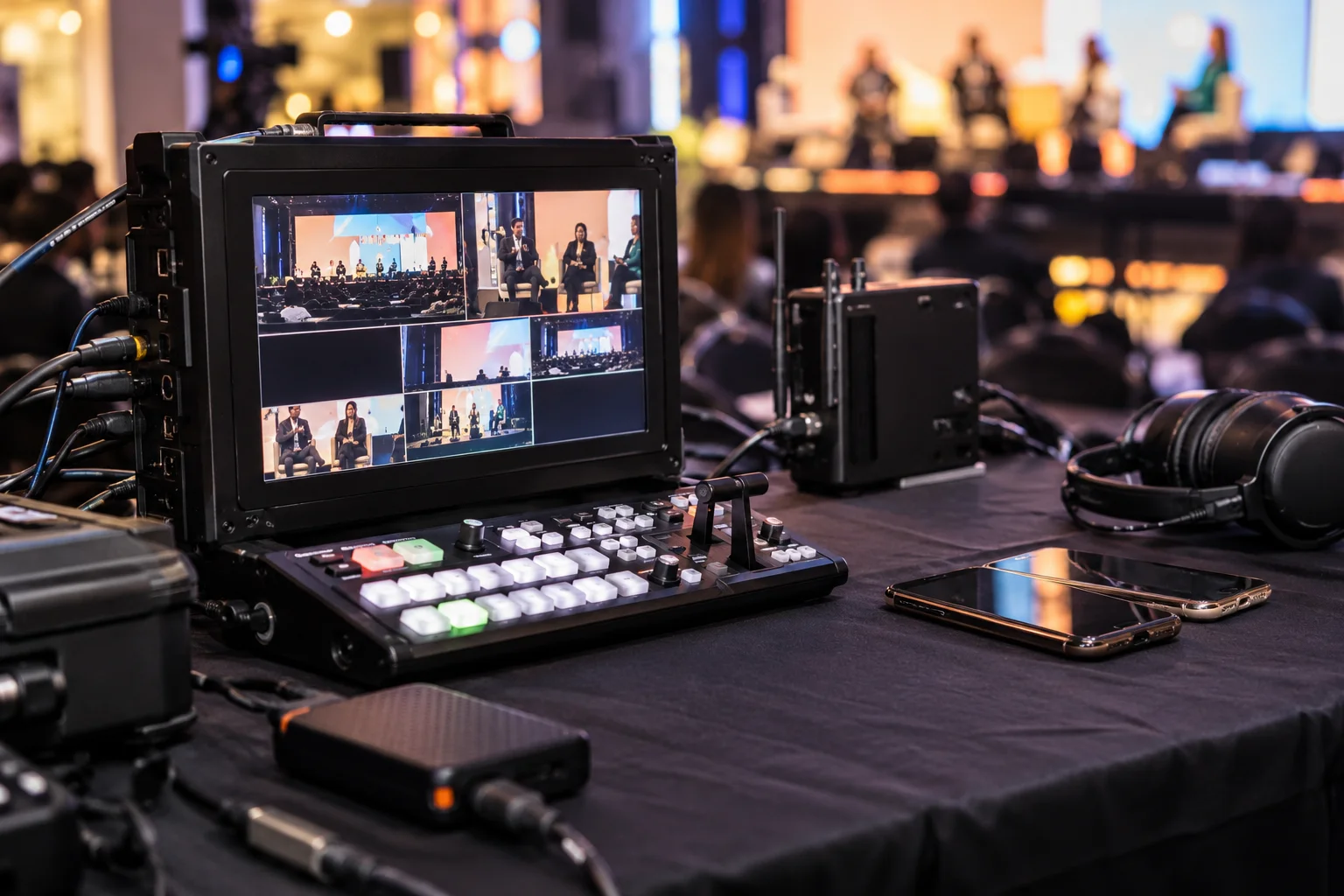
A community event needs a clear audience, realistic attendance plan and confirmed venue responsibilities. Devices, connectivity, staffing and breaks should be considered together rather than left until the first match. The operator delivers an agreed event scope; game publishers, campus partners and participants retain their own rights and responsibilities.
Prepare a concise host brief with the venue layout, intended audience and preferred participation style. Note charging access, connectivity constraints and any equipment supplied by the host. Identify the people who approve programme changes. A focused brief gives production discussions a reliable starting point and avoids assuming that an earlier event's arrangements automatically fit a different room or community. Return to those points before confirming so the scope is assessed on a consistent basis.
Define the audience, game and rules before choosing an event format. Our production scope is agreed with the organiser; publisher permission and game-specific rules must be checked.
A campus event needs venue coordination, participant eligibility and a clear timetable. Confirm the institution contact, supervision requirements and technical access in the brief.
Short sessions can focus on participation as well as competition. Entry conditions, results, moderation and any rewards are declared before registration opens.
Match flow, staffing and connectivity need a realistic run sheet. Ticketing, prize arrangements and any commercial rights remain subject to the actual event agreement.