
Define the community
Define the audience, purpose and game around which people will gather. Campus activities, community challenges and competitive sessions need different participation structures.
A campus event needs venue coordination, participant eligibility and a clear timetable. Confirm the institution contact, supervision requirements and technical access in the brief.
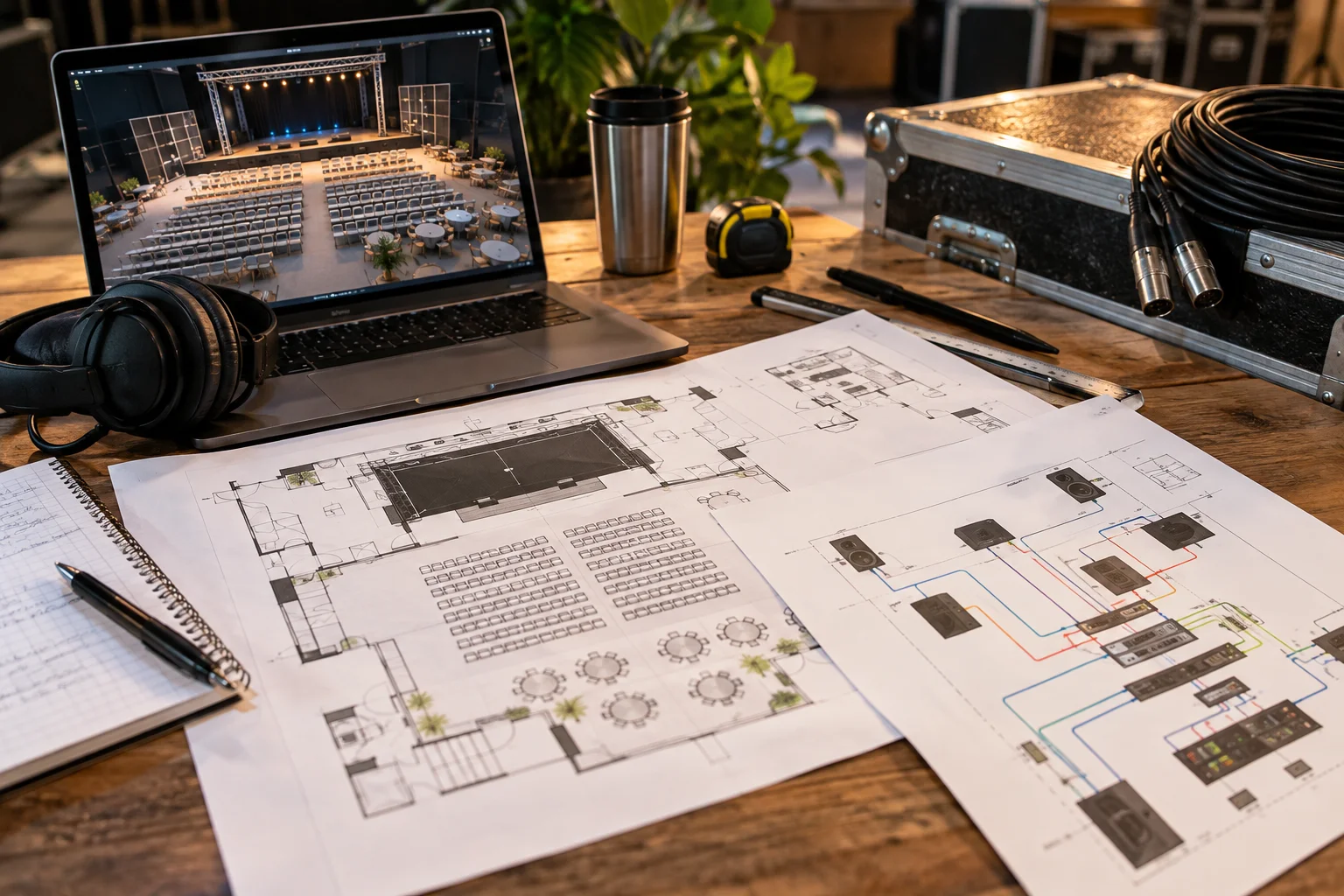
Before registration, communicate eligibility, schedule, rules, moderation and any entry cost or rewards. Check recording and photography arrangements, particularly where minors may attend. A venue plan should also cover power, charging, access and contingency timing. Public dates and registration links should be published only after the event and its terms have been confirmed.
Define the audience, purpose and game around which people will gather. Campus activities, community challenges and competitive sessions need different participation structures.
Agree the venue, equipment, connectivity and production responsibilities. Check permissions, participant eligibility, prize terms and safeguarding for the proposed format.
Prepare the run sheet, registrations, communications and moderation arrangements. A practical contingency plan should cover connectivity changes and timing delays.
Review attendance, delivery issues and participant feedback after the event. Reporting and any next event belong to the agreed production scope, rather than an automatic ongoing commitment.

Keep the agreed scope, timing and next contact in one place. A written summary makes it easier to return to the decisions without relying on scattered messages.
Agree the venue, equipment, connectivity and production responsibilities. Check permissions, participant eligibility, prize terms and safeguarding for the proposed format.
Changes to audience size, venue access or connectivity can alter the production scope. Update the run sheet and responsibility list, and confirm any resulting costs before committing to the revised event.
Walk through the attendee journey from arrival to the final announcement. Check where people receive information, wait between activities and ask for help. Agree who can change the schedule if a connection or equipment issue occurs. A short contingency plan should describe the next action and communication channel, rather than only list possible problems. A clear record makes a change easier to discuss without losing earlier decisions.